


How to Grow a Landscaping Business Through Acquisitions
When organic growth can’t keep pace with the vision for your landscaping business, it’s possible to achieve growth through acquisitions. But you’ve gotta know what you’re doing. This article will help light the way.
Business acquisition tips for contractors:
- Acquisitions aren’t shortcuts. They’re multipliers. If the systems are strong, they can multiply a company’s strengths. If not, they’ll multiply chaos.
- Do some thorough integration planning on how to bring the acquired business onboard. It’s going to create a culture shift for the new team.
- Think carefully about how to engage the former owner and management team. Sometimes, letting them move on can be the best path for a successful acquisition.
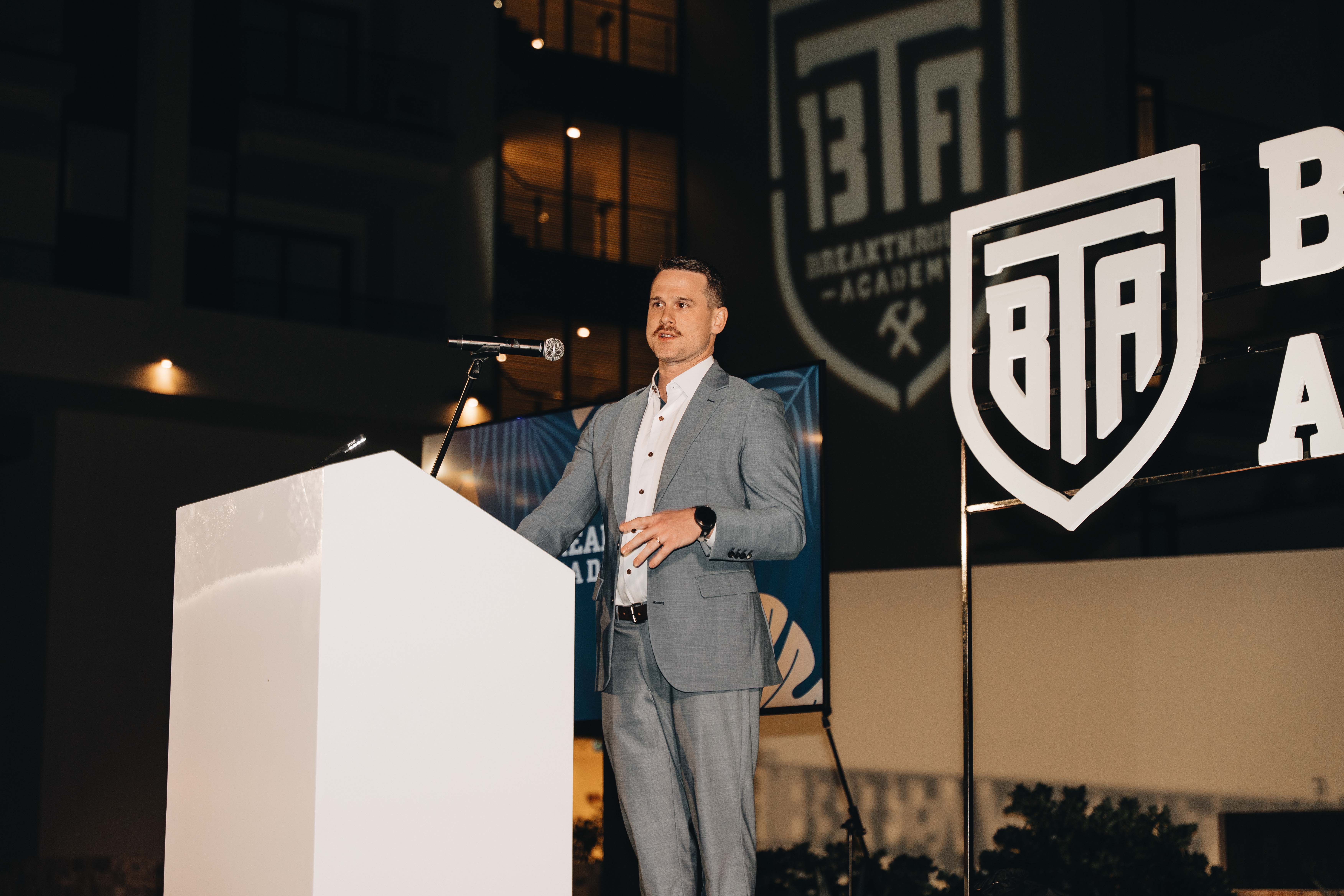
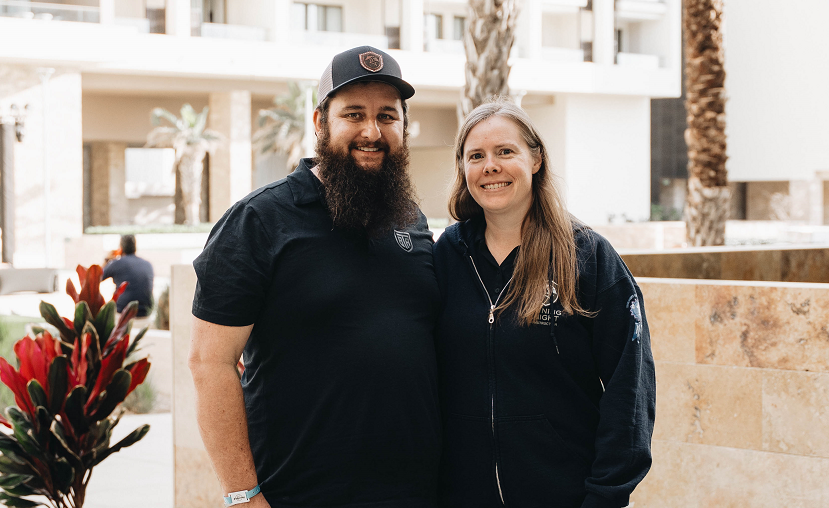
At Breakthrough Academy’s Winter Summit, Nick and Joe Cloutier of Willie C & Sons Landscaping pulled back the curtain on what it’s actually like to acquire another contracting business.
On paper, the deal looked strong. It was a larger landscaping company with a 23% net profit margin and a motivated seller.
In reality? It came with culture clashes, turnover, difficult leadership decisions, and one of the hardest years of their careers.
If you’re a landscaper considering buying another business, here’s what you need to know before you sign on the dotted line.
The acquisition opportunity (and the big question it posed)
Nick and Joe weren’t shopping for a business.
At the time, their company was doing about $5.5M annually and had finally hit its stride. The team was profitable. Systems were working. Managers were in place. For the first time, things felt stable.
Then the opportunity came to them.
The owner of a nearby landscaping company—slightly larger in revenue—reached out about selling. What started as a joke during a stressful snow season quickly turned serious.
That’s when the real internal question surfaced.
“Why grow?”
Nick and Joe had a profitable company, a strong team and lives that worked. Growth by acquisition would mean:
- More stress
- Longer hours
- More complexity
- Starting over in many ways
In the end, the deciding factor wasn’t ego. It was belief.
They knew how to fix operational chaos. They had just spent two and a half years implementing effective systems. The target company was profitable, but fragile. One owner doing everything, with no infrastructure. Burnout was driving the sale.
But Nick and Joe believed: “We know how to fix this.”
That belief pushed the deal forward.
The first shock: employee reaction
The transition did not go smoothly.
The previous owner abruptly informed his team that the company had been sold. Employees were effectively terminated and rehired under new agreements. Questions surfaced immediately around PTO, retirement plans and pay structure.
Within the first week, several employees quit.
Why?
Because some of the items they viewed as “benefits” were things that didn’t fit the way Nick and Joe ran their company (e.g. cash for overtime or driving company trucks on weekends).
Nick and Joe didn’t strip away actual benefits, but they did remove chaos. Unfortunately, to employees accustomed to loose practices, the new structure felt like fresh constraints.
Turnover ultimately reached nearly 90%. That number sounds extreme, but the reality was that many employees had tolerated poor leadership because of informal perks. When professionalism replaced shortcuts, those who didn’t align left.
Integrating systems into a resistant culture
The acquired company had a lot of operational issues, including:
- No formal dispatch software
- Text-message estimating
- Paper-based crew coordination
- One owner making every decision
Nick and Joe operated differently, with:
- Clear job descriptions
- Defined scorecards
- Formal estimating systems
- GPS tracking
- Standardized vendor relationships
Installing systems wasn’t technical. It was cultural. The biggest challenge wasn’t teaching the team how to use new software, it was getting them to embrace empowerment. Employees were used to asking the owner for every decision. Now they were being told: “You decide.”
That mindset shift took time, training and trust-building. You can hear more about it in the full Breakout Session.
Revenue dropped. Profitability didn’t.
In year one, the new location’s revenue dropped by approximately $1M. That was intentional. Nick and Joe factored in a planned dip in order to:
- Clean up the culture
- Install management layers
- Formalize systems
- Remove unprofitable or chaotic work
Despite revenue loss, the location still maintained approximately 19% net profit, which speaks to the power of solid systems.
The real cost of acquisition
When acquiring other landscaping companies, it’s important to recognize there will be expenses beyond the purchase price.
Here are some of the unexpected costs Nick and Joe encountered:
- Buying 21 trucks to standardize the fleet
- Hiring five new managers
- Rebuilding team culture
- Emotional energy
- Long hours
You’ll notice not all the costs can be measured with dollars. For example, Nick went from working 40–50 hours a week to 60–70 during the transition.
An acquisition is not a passive growth strategy. It demands renewed leadership intensity.
What went right
Despite the challenges, the acquisition brought about many positive changes, including:
- Profitability levels remained solid
- The leadership team stepped up
- Systems scaled
- Vendor leverage improved
- Benefits purchasing power increased
- Culture strengthened long-term
Perhaps most importantly, Nick and Joe emerged stronger leaders. They learned to:
- Fire faster
- Communicate earlier
- Trust systems
- Enforce standards
The business didn’t just grow. It matured.
Nick and Joe’s experience proves that disciplined contractors can integrate, stabilize and win, even after a turbulent first year. But they must be willing to make some tough calls.
Ready to acquire without breaking your business?
At Breakthrough Academy, we help contractors build the systems, leadership structure, and financial clarity needed to scale, whether organically or through acquisition.
If you’re thinking about buying another business, make sure your foundation can handle it. To get a better sense of whether your business is acquisition-ready, check out Nick and Joe’s full Breakout Session.


Get in touch today!
Table of Contents

Get in touch today!


The business coach that lives in your inbox


You’ve built something great. Let’s make it amazing.
Ready to take your business to the next level? Let's chat.
Curious how the program will work for YOU?
You have all the right pieces of the puzzle.
We’ve helped over 1,900 contractors just like you
You don’t need to build it by yourself.
The time is now.
Over 1,900 Contractors have built businesses they’re proud of with Breakthrough Academy.
Systemizing your business is a lot of work. NOT doing it is even more.
Systemizing your business is a lot of work. NOT doing it is even more.
If you’ve read this far, it's safe to say you’ve already tried a bunch of stuff.
