


Construction Change Orders: How to Turn a Margin Killer into a Profit Engine

Key Takeaways
- Create a standardized markup policy.
- Collect payment BEFORE the work begins.
- Reward your PM for change order profitability.
- Track change orders separately.
- Educate clients at the start of the project.
Change orders are inevitable in construction.
Whether you’re doing a $500,000 renovation or building a $4 million custom home, no contractor escapes them. Clients change their minds. Site conditions shift. Scope creeps.
The problem isn’t that change orders happen.
The problem is that most contractors treat them like an inconvenience instead of what they really are: a profit opportunity.
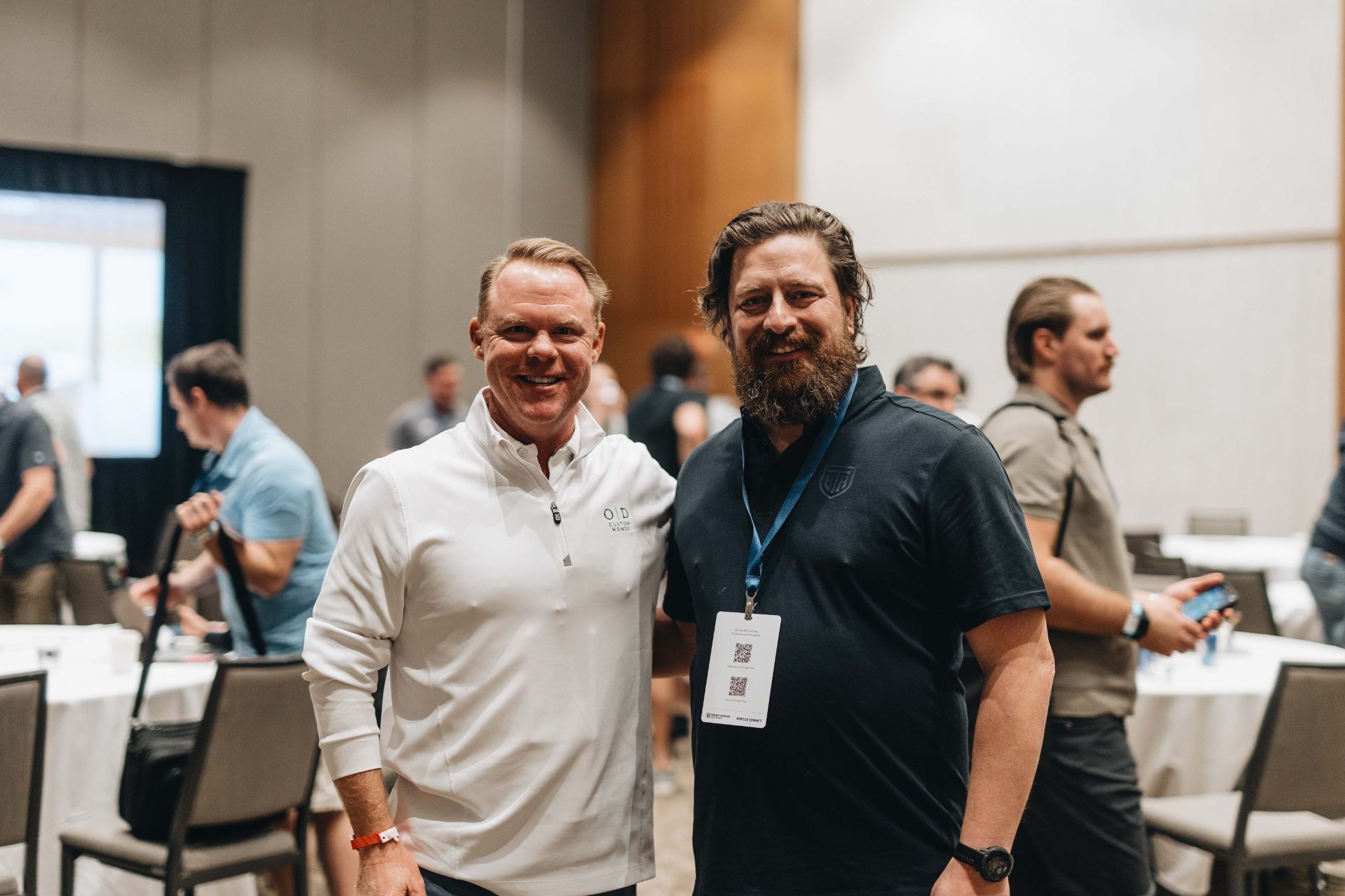
At Breakthrough Academy’s Winter Summit, custom home builder and Breakthrough Academy Member Eric Olson (Owner of Olson Defendorf Custom Homes in Austin, TX) shared how his company transformed change orders from a margin drain into a six-figure profit driver — without damaging client relationships.
Here’s how he did it, and how you can apply his approach in your own contracting business.
The hidden cost of “underpriced” change orders
Eric’s company builds approximately five custom homes per year, averaging $2.5M each. Like most builders, they regularly handle change orders — about 50 per house.
After looking closely at his numbers, he found that on average, they were doing about $200K in change orders per project, which rolled up to around $1 million per year.
But they were only netting about $50K in profit. That’s a 5% margin on change orders.
Even worse?
Those change orders added roughly 45 days of delay per project, costing the company about 7.5 months of production time per year across five builds.
They weren’t just underpricing change orders.
They were:
- Absorbing administrative costs
- Extending schedules
- Increasing overhead
- Delaying new project starts
- Reducing overall company capacity
All that additional work… for minimal profit.
That’s when Eric realized: “We’re doing $1 million in extra work per year and barely getting paid for it.”
The core mindset shift in change order management
Before diving into tactics, Eric’s company had to make one critical shift:
Change orders aren’t a nuisance – they’re a business reality. And it’s worth managing them properly.
High-end construction clients want customization. They want flexibility. They want options.
The goal isn’t to eliminate change orders. The goal is to systemize and monetize them.
Discover more about how change orders can strengthen your margins instead of quietly eroding them. Access Eric Olson’s full Breakout Session here.

How to structure a change order in construction
Establish a minimum markup — no exceptions
The first move was simple:
Every change order gets a minimum 35% markup.
That translates to roughly a 26% gross margin.
No more:
- “It wasn’t that hard.”
- “They’re such nice clients.”
- “I forgot to add markup.”
The rule became non-negotiable. Every change order request starts at 35%.
Some types of change orders, especially complex ones involving multiple trades and significant disruption, are marked up 50% – or even higher.
The key is consistency. When your team knows the baseline, pricing stops being emotional.
Collect payment before starting the work
One of the most common contractor mistakes? Doing the work first and collecting later.
Eric’s policy is clear:
- Change orders must be approved and signed.
- Payment must be collected.
- Then – and ONLY then – does the work begin.
No exceptions.
This protects cash flow, client clarity and the scope of work. It also eliminates uncomfortable end-of-project billing disputes. (Big sighs all around…)
Incentivize project managers the right way
This was the breakthrough: Eric began paying his project managers 10% of the profit on every change order.
Not 10% of revenue. 10% of profit.
If a PM generates $50,000 in change order profit on a project, they earn a $5,000 bonus, on top of their regular project completion bonus.
The cultural shift was immediate.
Before:
- PMs forgot to add markup.
- They minimized pricing.
- They treated change orders like admin work.
After:
- PMs argued for higher margins.
- They accounted for overhead and schedule impact.
- They proactively managed profitability.
This twist on project management changed everything as the PM became a true project owner.
In 2025, the company’s change order profit jumped from around $50,000 annually to roughly $260,000+ — on the same $1M in change order revenue.
That added roughly 2% to the overall company margin. For many construction businesses running at 4–6% net, that’s massive.
Track change orders separately
If you don’t measure it, you can’t manage it.
Eric tracks the:
- Original project budget
- Budget variance
- Change order costs
- Change order profitability
Every invoice is coded properly. Every month, profitability is reviewed. Then, results are celebrated publicly. When a PM earns a $6,700 change order bonus, the team hears about it.
This reinforces:
- Profit awareness
- Cultural alignment
- Healthy competition
What gets celebrated… gets repeated.
💡Pro tip: Using a standard change order form, document or template can also help streamline your change order system!
Educate clients up front
Profitable change orders don’t mean adversarial relationships. Eric addresses change orders during pre-construction meetings.
He explains:
- There is a 100% chance changes will happen.
- The company will earn profit on change orders.
- No work begins until signed and funded.
- Clients are never “punished” for changing their minds.
This reduces stress and builds trust. Most high-end clients don’t object to paying for changes. They object to surprises.
Construction change order examples: How to handle tough situations
Even with strong systems, a project can run into unforeseen conditions or situations that require a bit more nuance in the approach.
Here’s how Eric approaches some common gray areas:
What if it’s a small change?
Whereas larger, complex ones typically justify higher markups, small change orders often have tighter margins and can be more difficult to navigate with customers. After all, where exactly do you draw the line at “small”?
While the 35% minimum still applies, Eric’s team uses judgment with small changes, as appropriate.
What if it’s partially a mistake?
If a true contractor error occurs, the team may reduce the markup, but they don’t perform work at cost because even corrections carry administrative and schedule impacts.
What about deletions?
If scope is removed for the original construction contract, clients receive a credit. But administrative burden still warrants protecting the margin.
What about schedule impact?
Every change order impacts the schedule. Instead of burying delays inside the timeline, Eric’s team adds change order extensions clearly at the end of the schedule — making the impact transparent.
Final Thought
You don’t need more revenue. You need to monetize the revenue you’re already generating.
For Eric’s company, change orders alone added over $230,000 to the bottom line without increasing project volume. That’s operational leverage, which in construction is EVERYTHING.
If you’re serious about improving margins, systemizing operations, and building a company that runs without you, Breakthrough Academy can help.
Want to learn more about how the right systems, pricing discipline, and team incentives can turn operational friction into predictable profit? Access the full Breakout Session with Eric Olson today.


Get in touch today!
Table of Contents

Get in touch today!


The business coach that lives in your inbox



You’ve built something great. Let’s make it amazing.
Ready to take your business to the next level? Let's chat.
Curious how the program will work for YOU?
You have all the right pieces of the puzzle.
We’ve helped over 1,900 contractors just like you
You don’t need to build it by yourself.
The time is now.
Over 1,900 Contractors have built businesses they’re proud of with Breakthrough Academy.
Systemizing your business is a lot of work. NOT doing it is even more.
Systemizing your business is a lot of work. NOT doing it is even more.
If you’ve read this far, it's safe to say you’ve already tried a bunch of stuff.
